Request a demo
See if we can improve the health outcomes of your employees. It only takes 15 minutes.
Thank you! Your submission has been received!
Oops! Something went wrong while submitting the form.

Quality-driven provider guidance helps members make better care decisions, improving outcomes while reducing unnecessary healthcare costs.

For years, the healthcare industry has worked to help members become more engaged in their healthcare by expanding transparency, increasing choice, and introducing greater financial responsibility.
These efforts have made more information available, but information alone doesn't always make healthcare decisions easier. When facing a new diagnosis, managing a chronic condition, or navigating an unexpected medical event, most people aren't equipped to evaluate provider quality, clinical appropriateness, or long-term outcomes on their own. Instead, they often make decisions based on what is most familiar, most convenient, or appears to cost less.
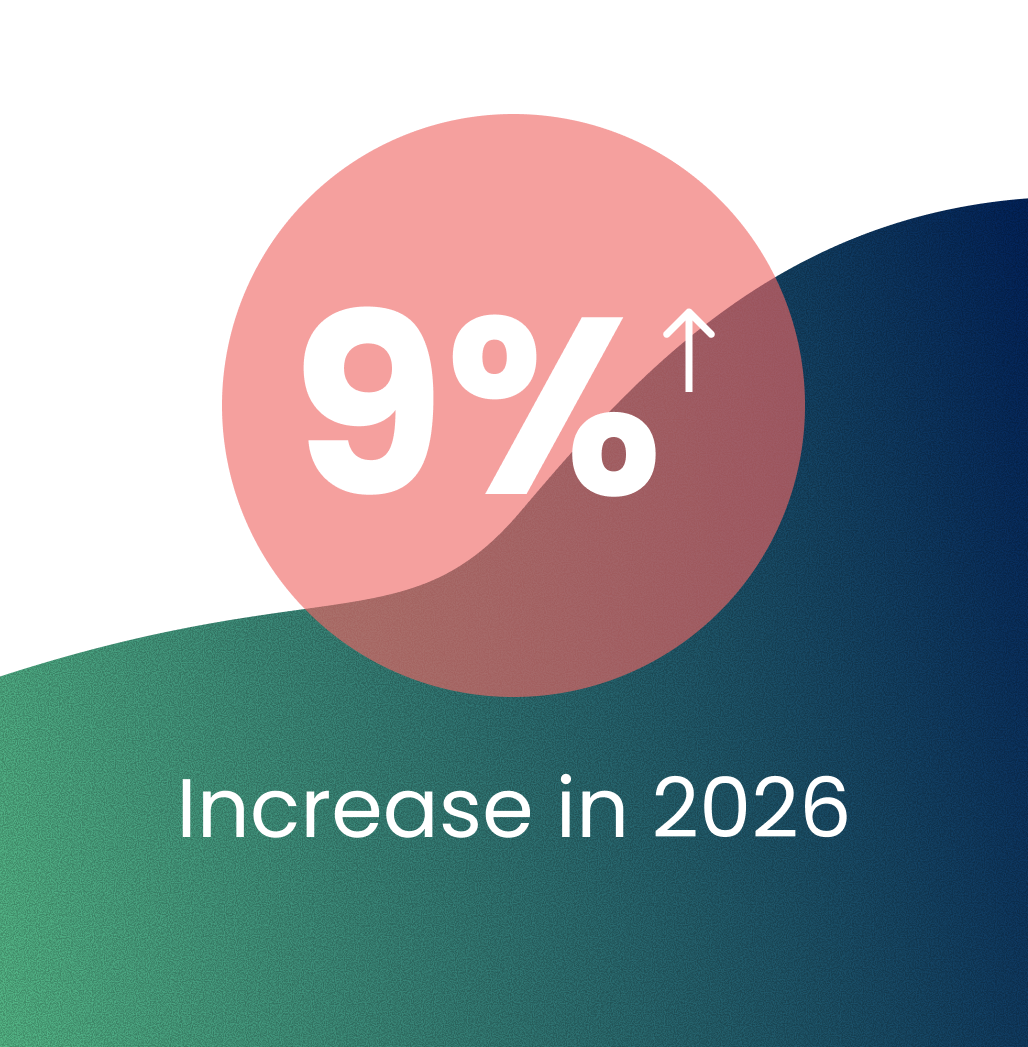
Meanwhile, healthcare costs continue to rise. U.S. employers are projected to see healthcare costs increase by 9% in 2026, the highest annual projection in more than a decade. Organizations continue searching for ways to improve healthcare value, yet many traditional approaches have added complexity to the member experience without making it easier to identify high-quality care.
The greatest opportunity isn't simply controlling costs. It's helping people get to the right care the first time. When quality leads the way, better outcomes and lower healthcare costs naturally follow.
Healthcare benefit strategies have traditionally focused on cost-sharing structures, narrow networks, price transparency, and consumer choice. While each has an important role, they rarely address one of healthcare's most overlooked drivers of unnecessary spending: clinical variation.
Providers within the same network, city, or specialty can deliver dramatically different outcomes, utilization patterns, and total cost of care. In Dallas-Fort Worth, for example, there is a 33x difference1 between providers who default to surgery for new low-back pain and those who prioritize conservative, evidence-based care.

Every care journey begins with choosing a provider, and provider decisions influence nearly every step that follows. Referral patterns, imaging orders, prescribing behavior, surgical recommendations, and site-of-service decisions all shape both healthcare outcomes and downstream spending.
Yet research consistently shows that members are not expected to evaluate these differences on their own. While price transparency has expanded access to information, fewer than 20% of patients look up healthcare costs before seeking care, and cost alone rarely reflects the quality or appropriateness of care. A lower-priced procedure isn't necessarily the right procedure, and the highest-value care may prevent an unnecessary procedure altogether.
This is why healthcare navigation must evolve beyond simply presenting information. Members need trusted, data-driven guidance that helps them identify high-performing providers before care begins.
Healthcare often speaks about empowering consumers, but true empowerment isn't asking members to interpret complex provider analytics or clinical quality data themselves.
True empowerment comes from making high-quality care easier to understand and easier to choose.
When trusted guidance is combined with actionable provider quality data, members can confidently identify high-performing providers without becoming amateur clinicians. Quality-driven benefit design simplifies decisions by making provider quality visible at the moment people are choosing care.
Healthcare becomes easier to navigate when members have greater clarity and confidence. They are more likely to engage in preventive care, follow recommended treatment plans, and avoid delays caused by uncertainty.
For self-insured employers, these better care decisions create measurable value over time. Connecting members with high-performing providers earlier helps reduce unnecessary procedures, avoidable complications, and inefficient utilization while improving the overall care experience.
Traditional health plan innovation has focused on managing costs through benefit design alone. A smarter approach begins with improving the quality of care members receive.
Using validated provider quality measurement and episode-based analytics, employers and health plans can identify physicians who consistently deliver evidence-based care with stronger outcomes and less unnecessary utilization. From there, benefit design can align financial signals and trusted navigation to make high-quality care the easier choice.
This is where quality becomes actionable.
Provider quality data should guide decisions, not simply sit in reports. When quality insights are available at the moment members are selecting care, healthcare becomes easier to navigate and better decisions become more likely.
Simple financial signals, intuitive navigation, and actionable quality data work together to reinforce high-quality care before unnecessary costs occur.
As employers continue managing rising specialty pharmacy spending and increasingly complex care needs, helping members get to the right provider early becomes even more important.
Take GLP-1 management as an example. The opportunity extends beyond managing medication costs. It includes identifying appropriate patients, supporting evidence-based prescribing decisions, and connecting members with providers who prioritize long-term clinical outcomes.
The same principle applies across musculoskeletal care, oncology, maternity, cardiovascular care, and chronic disease management. High-performing providers consistently make different clinical decisions than lower-performing peers, and those decisions influence the entire care journey.
When members are connected to the right providers from the beginning, better outcomes become more achievable while unnecessary healthcare spending is reduced.
Healthcare works best when members are supported by trusted guidance that helps them make confident care decisions.
Information alone rarely changes behavior. Actionable provider quality data, personalized navigation, and aligned financial signals make it easier for members to identify high-performing providers and receive the right care the first time.
The future of employer health plans isn't about asking members to become healthcare experts. It's about making provider quality visible, understandable, and actionable when decisions matter most.
A quality-driven health plan doesn't limit choice; it helps people make better choices.
Because when members are connected to high-performing providers from the beginning, better outcomes, lower unnecessary healthcare spending, and a simpler healthcare experience naturally follow.


See if we can improve the health outcomes of your employees. It only takes 15 minutes.
.svg)